Every few weeks, a customer walks up to my counter with their phone glowing, a 20%-off code already applied in the store’s app. They’re smiling, expecting a high-five for saving money. I smile back, but inside, I’m doing the math on a margin that just evaporated into thin air. The uncomfortable truth is that many discount codes aren’t just hurting your bottom line—they are quietly reprogramming your customers to never pay full price again.
The Hidden Cost of the “Stacked” Discount
The problem isn’t the occasional sale. The problem is the architecture of modern discounting. Many bookstores now use third-party coupon aggregators or loyalty apps that automatically apply the highest available code. That sounds great for the shopper, but it creates a brutal cascade effect.
Here’s a concrete example from a store I consulted with last spring. They ran a weekend promotion offering 15% off literary fiction. A customer found a 20% off sitewide code from an influencer partnership that was supposed to be restricted to new subscribers. The app stacked them, then added free shipping on top of the discounted subtotal. The store sold a $28 hardcover for $17.92. After the credit card processing fee, the wholesale cost of the book, and the shipping label, they lost $1.14 on that sale.
Why Small Discounts Disproportionately Hurt
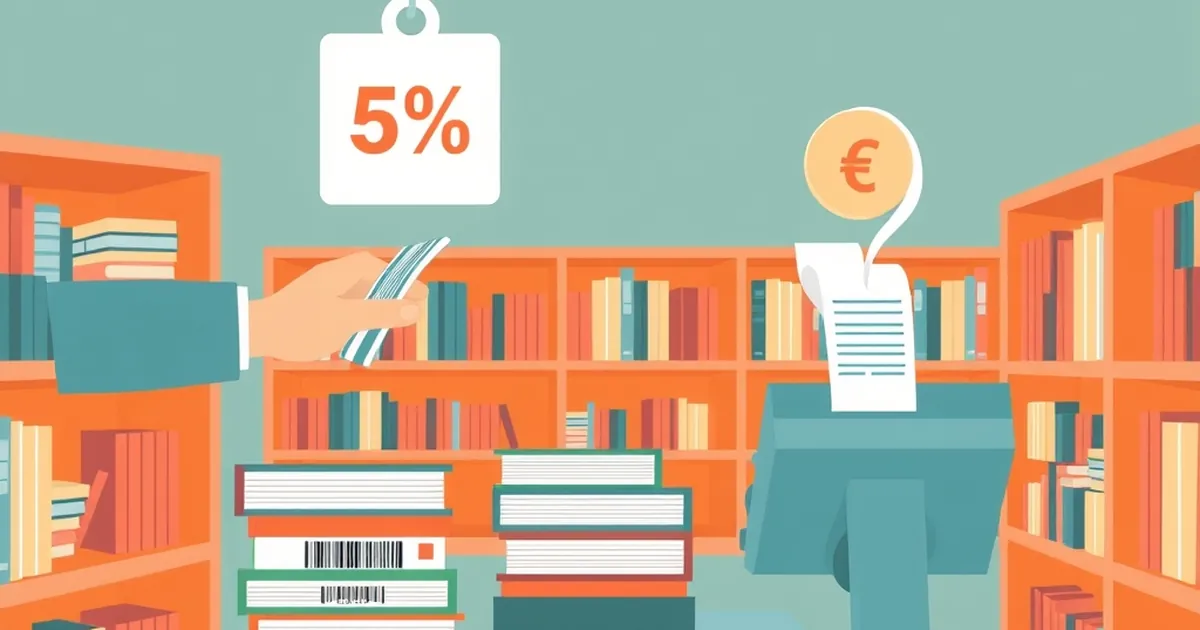
Most people assume a 10% discount means you make 10% less profit. In book retail, that’s dangerously wrong. The average net margin on a new hardcover is between 5% and 8%. A 10% discount doesn’t shave your margin—it obliterates it entirely.
- Fixed costs: Rent, utilities, and staff hours don’t scale down with a discount.
- Freight costs: Shipping is often subsidized by the store, not the customer.
- Return risk: Discounted books are more likely to be impulse buys, which means higher return rates.
When you factor in these realities, a 15% code can turn a profitable transaction into a loss leader that didn’t lead to anything else.
The Psychology of the Coupon Chase
The more insidious damage isn’t in the transaction—it’s in the conditioning. When a store pushes codes aggressively, customers learn to wait for the next one. They stop browsing on a Tuesday afternoon and start waiting for the “Flash Sale Friday” email. This destroys the steady, predictable foot traffic that keeps a bookstore alive.
I’ve seen it happen with a loyal regular named Diane. She used to buy a new release every month at full price. After we launched a digital coupon program, she started holding off until she had a 15% code. Her annual spend dropped by 40%, even though she bought the same number of books. She wasn’t saving money—she was just buying less frequently and training herself to value the discount over the book itself.
The “Code Fatigue” Trap
There’s also a point of diminishing returns. When every email has a code, the codes lose their urgency. Your best customers become numb to a 10% offer, and your price-sensitive customers only convert at 25% or more. You are effectively raising the discount threshold required to make a sale, while simultaneously lowering the perceived value of your curated inventory.
A Smarter Path Forward
The goal isn’t to eliminate discounts—it’s to make them work for you, not against you. The most successful independent bookstores are shifting from blanket codes to value-based incentives.
Try these three tactics instead of a sitewide percentage:
- The “Staff Pick” Bonus: Offer a free tote bag or a signed bookplate with a specific title, not a percentage off the whole order.
- The “Trade-Up” Reward: Give a $5 store credit for every $50 spent on full-price books, but exclude sale items from accruing credit.
- The “Time-Bound” Event: Run a single-day, in-store-only 20% off sale twice a year, and don’t advertise it online. This rewards your physical community without training digital bargain hunters.
The next time you’re tempted to push a generic code to your email list, ask yourself one question: Is this discount building a relationship, or is it just buying a transaction? The bookstores that thrive in the next five years won’t be the ones with the biggest coupons—they’ll be the ones who make full-price shopping feel like the better deal. That’s a margin worth protecting.