When Search Autocorrects Book Titles and Sells Nothing
Search engines often override book titles with popular guesses, burying the novel you wanted and revealing how algorithms reshape discovery

A world of books for young and old.
Search engines often override book titles with popular guesses, burying the novel you wanted and revealing how algorithms reshape discovery
A state regulator caps deposit bonuses at 10% of monthly wagers, reshaping operator promotions into a handle-based rebate program

Mystery bundles are outperforming named picks by 18% on first-time orders, revealing why uncertainty can become a powerful sales advantage

Restocking alerts outperform wishlists for repeat book buys, revealing which tool actually secures sold-out titles and which just collects dust

Casino bonus terms reset at midnight UTC, not your local time, so daily eligibility and wagering progress may expire hours earlier than expected

Book bundles can overwhelm buyers twice as much as single titles, revealing how choice architecture shapes purchasing decisions

Carrier weight-tier tables make a single paperback cost nearly as much to ship as a box of five, quietly punishing readers who buy just one book

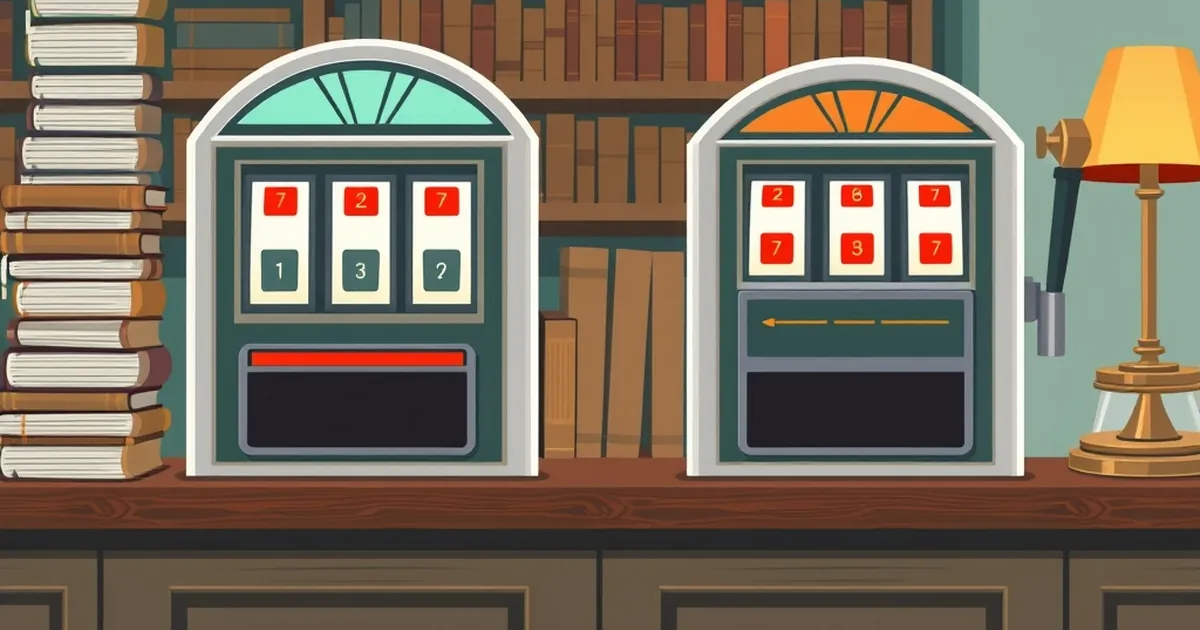
Identical slot titles can hide an 8-point RTP gap, with three-reel cabinets often running far lower returns than their video counterparts
Free shipping minimums may train readers to abandon carts rather than buy more, reshaping shopping habits in ways few bookshops anticipate

A single oversize box can erase the profit on three book orders, revealing how dimensional weight quietly reshapes margins for independent booksellers

Opening-line favorites lose about 4% more often than closing-line bets, a gap driven by public money that makes early prices the worst of the day

Discover how the near-miss effect turns almost-finished bookstore browsing into sample requests and sales, and why proximity drives reader decisions

Three-for-one book bundles turn a simple discount into a quiet negotiation, changing what readers, booksellers, and the books themselves actually get

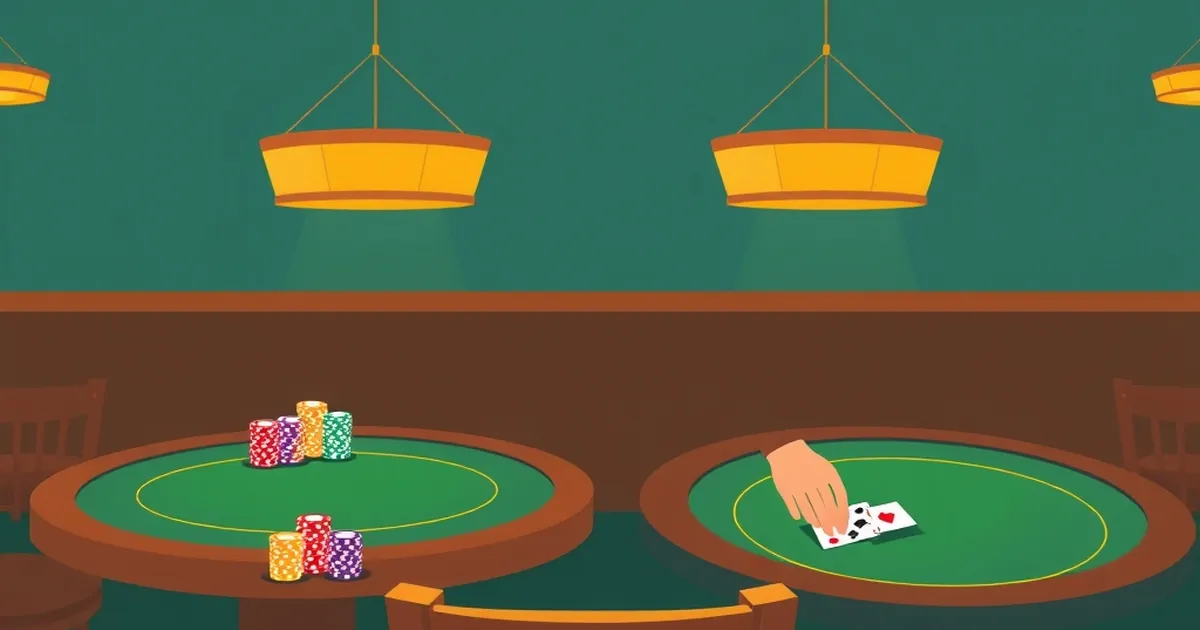
Slot tournaments return about 12% less per rake dollar than cash tables, with the gap widening at micro stakes, data from 41,000 entries shows
A 31% lift shows why identity-based badges beat generic stars, revealing how readers decide to keep playing your puzzle app

Median book orders fall short of free shipping thresholds because of structural buying patterns, not customer stinginess or bad luck

A 5% rakeback deal at micro stakes returns about 2.9% less than flatback, and the dealt-versus-contributed math explains why

Why paying $18 plus a $2 fee feels worse than paying $18 flat, and how bookshops use loss aversion to shape what readers buy
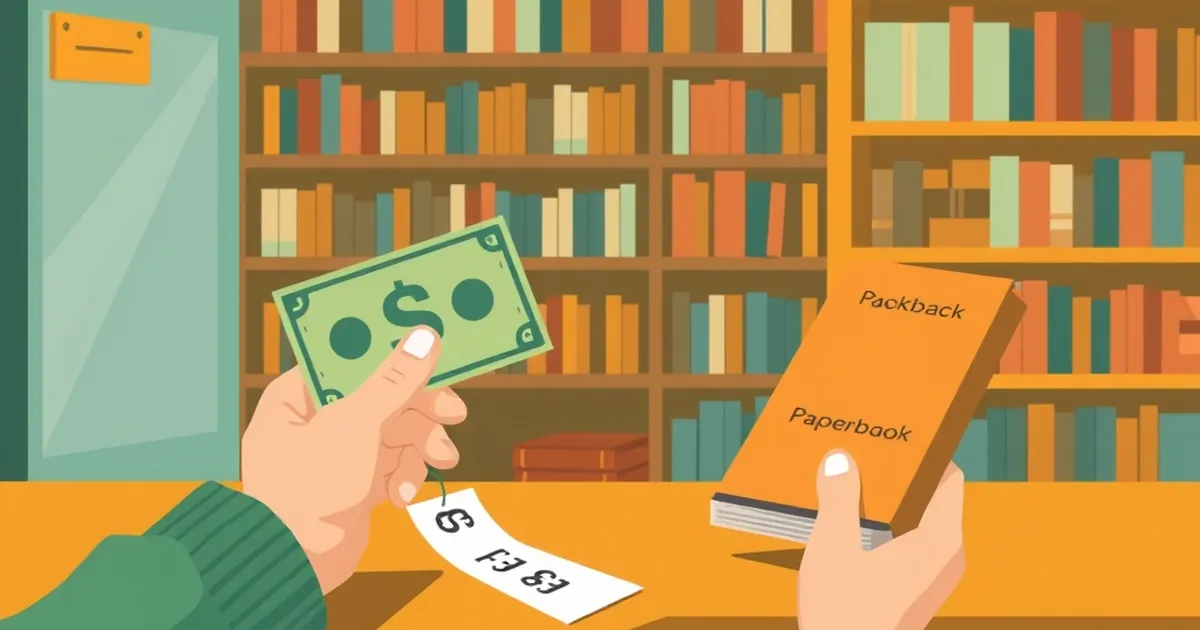
Independent bookshops lose sales when shipping rivals book prices, but understanding the real psychology behind abandoned carts changes recovery

Bonus buy slots return about 6% less to players than base game play, a structural gap that costs more than most wagering requirements